
Leather Goods Manufacturer in India: A Complete Guide for B2B Buyers

Chandan Kumar
Sep 10, 2026 · 6 min read
India is one of the world's biggest sources of leather goods. International brands, retailers and corporate buyers source from here because of skilled craftsmanship, good raw material access and competitive pricing. But finding a reliable leather goods manufacturer in India takes more than a quick search. This guide covers where leather goods are made, what products you can source, how to check quality, and what to ask before placing a bulk order.
Why Source Leather Goods from India?
India has a long history of making leather products and supplies leather to both Indian and international markets.
- Skilled craftsmanship: Many artisans have decades of experience in cutting, stitching, edge finishing and hand detailing.
- Easy Access to Quality Leather: India offers a wide variety of leather materials, including full-grain, finished, and vegetable-tanned leather. This makes it easier for businesses to find the right leather for their products and manufacturing needs.
- Cost advantage: Competitive labour and production costs give good value without a big compromise on quality.
- Customisation: Most manufacturers handle private label, custom designs, logo branding and small design changes.
- Export experience: Established units are familiar with documentation, packaging and shipping standards.
Major Leather Manufacturing Hubs in India
Different regions specialise in different products. Knowing this helps you shortlist the right supplier faster.
- Kanpur (Uttar Pradesh): Known for saddlery, leather accessories and a long tanning heritage.
- Agra (Uttar Pradesh): Best known for footwear, but also an internationally recognised cluster for premium leather bags and accessories.
- Delhi NCR and Noida: A strong export and sampling ecosystem for bags, accessories and corporate products, with easy access to airports and logistics.
- Chennai, Ambur and Vaniyambadi (Tamil Nadu): A major tanning and finished-leather belt, supplying many manufacturers across the country.
- Kolkata (West Bengal): An established leather cluster with a good base of bag and accessory makers.
- Mumbai (Maharashtra): A well-known hub for bags, wallets and fashion accessories.
Leather Products You Can Source in Bulk
A good manufacturer or supplier usually offers several categories. The most in-demand ones for B2B buyers are:
1. Handbags and Totes
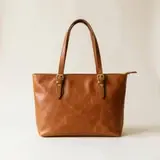
Women's handbags, tote bags, shoulder bags and work bags in premium leather. Retailers and fashion brands buy these in large volumes, often with their own design or logo.
2. Slim Essentials
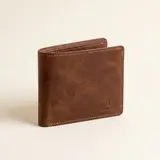
Wallets, cardholders, passport covers, key holders and small accessories. These are popular for retail and for repeat orders because of lower unit cost and steady demand.
3. Corporate Gifting
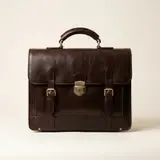
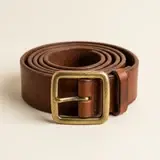
Leather diaries, laptop sleeves, desk organisers, wallet and belt sets and branded gift kits. Companies order these for employee gifting, client gifting and festive campaigns. Logo embossing and custom packaging are common requests.
How to Choose the Right Leather Goods Manufacturer
Price should not be the only factor. Check these points before you commit:
- Material and Leather Quality: Ask for the type of leather (full-grain, top-grain, genuine, vegan alternatives), the finish, and the lining and hardware used. Ask for swatches or physical samples before approving the order.
- Sampling Process: A reliable supplier will have a clear sampling process covering development time, sample cost and revision rounds. Always approve a pre-production sample before bulk production.
- Minimum Order Quantity (MOQ): MOQ varies by product and customisation level. Confirm it per design and per colour, especially if you are testing a new market.
- Production Capacity and Lead Time: Ask about monthly capacity and the realistic delivery timeline. This matters most during festive and gifting seasons, when factories get busy.
- Certifications and Compliance: Depending on your market, ask about quality and compliance documents such as ISO certification, Leather Working Group (LWG) status, REACH compliance for Europe, and social compliance audits. Requirements differ by country and buyer, so confirm what your market needs.
- Quality Control: Find out how inspection is done: incoming material checks, in-line checks and final inspection. Ask whether third-party inspection is possible.
- Packaging and Shipping: Check whether they offer branded packaging, dust bags, custom boxes and export-ready cartons. For international orders, confirm Incoterms (FOB, CIF, etc.) and who handles documentation.
Questions to Ask Before Placing a Bulk Order
- What is your MOQ per style and colour?
- How long does sampling take, and what does it cost?
- Can you do private labelling and logo embossing?
- What is the typical lead time for bulk production?
- What payment terms do you accept?
- Can you share product photos, catalogues or references from past orders?
- What is your defect and replacement policy?
Domestic vs. Export Sourcing
For domestic buyers (dealers, retailers, corporates), the focus is on fast turnaround, easy communication and flexible quantities. For export buyers, compliance documents, packaging standards, shipping terms and consistent quality across large orders matter more. Make sure your supplier understands which of the two you need.
Common Mistakes to Avoid
- Placing a bulk order without approving a sample
- Choosing only on the lowest price
- Not confirming the leather type in writing
- Ignoring lead time during peak seasons
- Skipping a clear agreement on quality standards and defects
Frequently Asked Questions
Which city is best for leather goods manufacturing in India?
It depends on the product. Kanpur is known for saddlery and accessories, Chennai and Ambur for tanning, Kolkata and Mumbai for bags and accessories, and Delhi NCR and Agra for export-oriented production, leather footwear, bags and sampling.
Can I get private label leather bags made in India?
Yes. Many manufacturers offer private labelling, custom logos, and design or colour changes, usually subject to MOQ.
What is the typical MOQ for leather goods?
It varies by product, material and customisation. Always confirm MOQ for each style before you plan your order.
Do Indian manufacturers export leather goods internationally?
Yes. Indian leather goods are exported worldwide, and experienced units handle export documentation, customs clearance and international packaging standards.
Is genuine leather the same as full-grain leather?
No. Full-grain is the highest-quality grade, while "genuine leather" usually refers to lower grades. Always ask for the exact grade in writing.
Conclusion
India offers strong value for businesses sourcing leather goods, from handbags and totes to slim accessories and corporate gifts. The key is to choose a partner with proven quality, clear communication and a transparent process.
Looking for premium leather handbags, slim essentials or corporate gifting products? Contact CORRISTA today for catalogues, samples and bulk pricing.
Enjoyed this read? Subscribe.
Discover deep-dive tannery metrics, wholesale supply updates, and luxury craftsmanship guides directly from our master workshop in Agra.
Written by Chandan Kumar
Director of Tannery & Leathercraft
Updated
Oct 15, 2026
Related articles

Leather Belt Quality Checklist: What Wholesale Buyers Should Inspect

Formal vs. Casual Leather Belts: A Buyer’s Guide to Building the Right Collection
